
A Plant-Powered Transition: Your Path Through Perimenopause and Menopause
Navigating the waves of perimenopause and menopause can feel like an overwhelming challenge. As the ovaries wind down production, estrogen levels can drop by a dramatic 95%. This can trigger a slate of symptoms in women. Hot flashes, mood swings, weight gain, and sleep disturbances can become a daily burden. While this hormonal transition is a natural part of life, anything that can ease these symptoms is welcome. A growing body of compelling research suggests that a plant-centered, plant-based diet is uniquely equipped to help mitigate these effects. The food on your plate can be one of your most powerful allies and is crucial to helping power your activity to maintain a healthy musculo-skeletal system.
The Power of Phytoestrogens and Phytoprogestins
Plant foods contain natural compounds that gently interact with our hormone systems. Widely misunderstood by the general public, phytoestrogens, found in a variety of delicious foods, can bind to estrogen receptors in the body, offering a mild, balancing effect and many benefits. A 2021 review confirmed that increasing phytoestrogen intake can significantly reduce challenging menopausal symptoms.
Key phytoestrogen-rich foods to incorporate include:
Flaxseeds & Sesame Seeds: Grind flaxseeds to unlock their potent lignans. A 2006 study found that daily consumption of ground sesame seeds increased estrogenic activity in postmenopausal women.
Soy: A superstar in this category, soy contains rich isoflavones. Choose organic options like tofu, tempeh, edamame, and miso.
Others: Dried apricots, cashews, broccoli, and Brussels sprouts are also excellent sources.
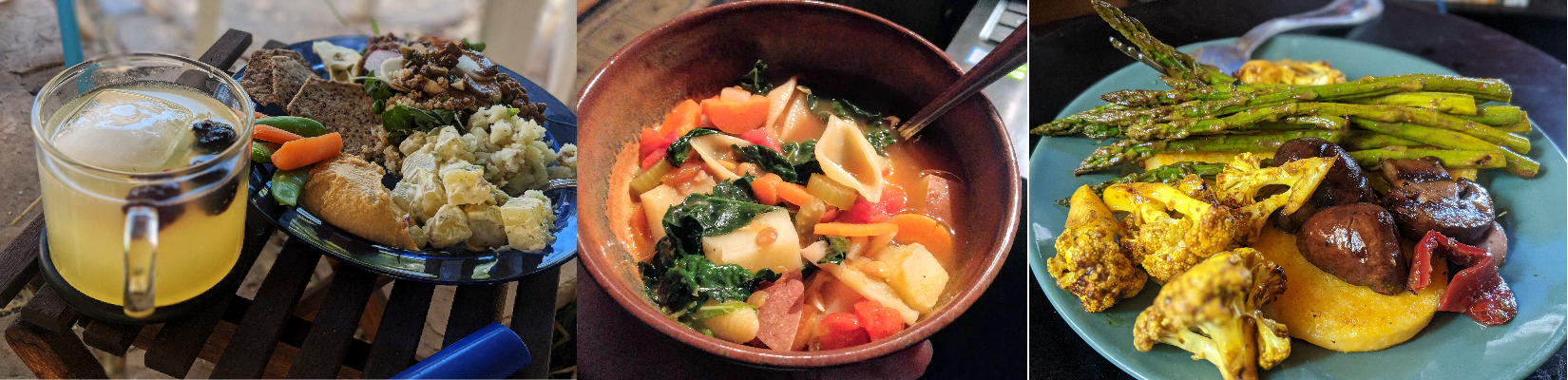
Healthy and delicious can be the same!
Similarly, phytoprogestins are plant-derived compounds that can support progesterone levels. Load up on:
Kaempferol: Found in broccoli, kale, capers, and green tea.
Apigenin: Abundant in parsley, celery, and oranges.
Luteolin: Present in artichokes, celery, and rosemary.
Naringenin: Sourced from grapefruit, cherries, and tomatoes.
Beyond Balancing: Direct Relief from Symptoms
The advantages of a plant-based diet extend far beyond gentle hormone modulation. Direct clinical evidence shows profound benefits for the most common menopausal complaints.
1. Drastic Reduction in Hot Flashes
Hot flashes affect up to 80% of women in Western countries, but are far less common in places like Japan, where diets are traditionally rich in soy. The groundbreaking WAVS trial (Women’s Study for the Alleviation of Vasomotor Symptoms) investigated this phenomenon.
The study found that a low-fat, vegan diet including half a cup of cooked soybeans daily produced remarkable results: total hot flashes decreased by 79%, and moderate-to-severe hot flashes dropped by 84%. Even more impressive, 59% of participants became completely free of moderate and severe hot flashes in just 12 weeks.
This effect is thought to be due to how gut bacteria metabolize soy isoflavones into a compound called equol. Those following vegan and vegetarian diets tend to produce more equol, which may enhance the protective effect against hot flashes.
2. Supporting Heart and Metabolic Health
Menopause brings an increased risk of heart disease due to metabolic changes like weight gain, insulin resistance, and rising cholesterol. A plant-based diet directly addresses these issues. Research published in the American Journal of Medicine found that a low-fat plant-based diet helped postmenopausal women lose over 12 pounds on average and also improved their insulin sensitivity. The dietary protocol has also been shown to reverse plaque buildup in arteries, offering powerful protection for your heart.
3. Lifting Mood and Supporting Bones
The drop in estrogen can impact both mental well-being and bone density. Studies link diets high in ultra-processed foods to a nearly 50% higher risk of depression, while every 3.5 ounces of fruit or vegetables consumed daily is associated with a 3% lower risk. A plant-based diet rich in leafy greens and beans also provides ample calcium and other bone-supporting nutrients to help counteract the risk of osteoporosis.
Your Plate, Your Power Play
Adopting a plant-centered diet for menopause isn't about deprivation; it's about embracing a vibrant, nourishing way of eating that empowers you to thrive. The research is clear: you can directly influence how you feel by focusing on whole plant foods such as fiber-rich vegetables, fruits, legumes, and incorporating daily soy. This approach offers a safe, effective, and natural path to managing your symptoms. It not only eases the transition, but also lays the foundation for vibrant health and will fuel your physical activity.
Ready to get started? Begin by adding a serving of soybeans to your daily meal, loading your plate with colorful vegetables, and exploring the world of delicious, whole-food, plant-based recipes. Your body—and your future self—will thank you for it. Tune in for Part 2 where we will explore delicious and nutrition recipes!